- 25 September, 2026
EARLY SIGNS AND SYMPTOMS OF CATARACT: WHAT YOU SHOULD KNOW
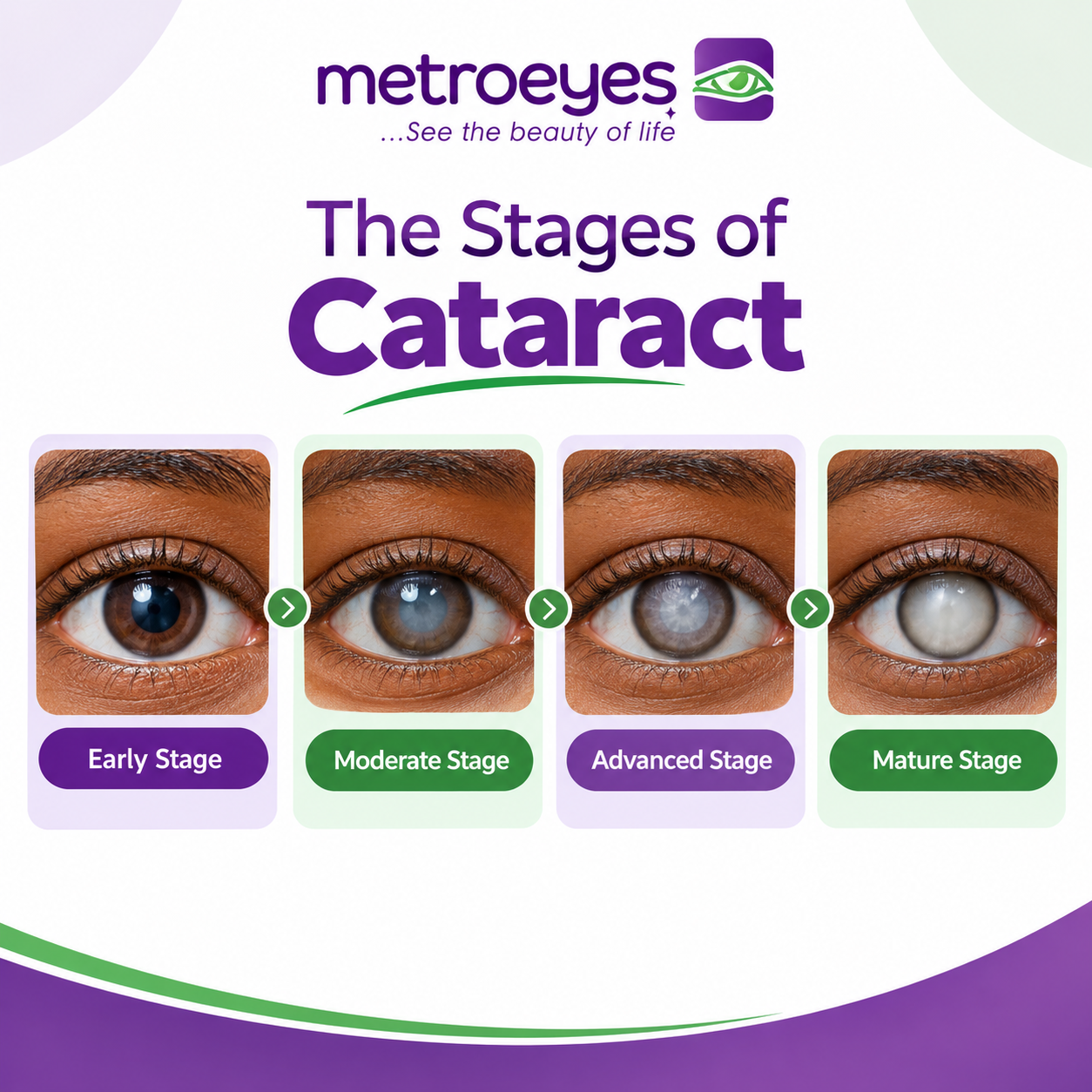
Have you noticed your vision getting cloudy or blurry, even when your glasses are clean? You might think it's just getting older, eye strain, bad lighting, or needing a new prescription. Sometimes those are the reasons, but if your vision keeps changing, you shouldn't ignore it.
One possibility is cataracts.
Cataracts are common. They happen when the eye's natural lens gets cloudy. This lens helps focus light on your retina, so when it becomes cloudy, it can slowly make your vision less clear. Cataracts usually develop slowly, meaning the changes can be small at first and easy to miss.
Knowing the early signs of cataracts can help you get professional eye care before your daily life is greatly affected.
What are cataracts?
A cataract is when the normally clear lens inside your eye turns cloudy or opaque. This stops light from passing through the lens the way it should, and it can gradually make your vision less clear.
Cataracts happen more often as people get older, but other things can cause them too. Regular, thorough eye exams can help find cataracts and other eye problems early.
Early signs of cataracts
Cataract symptoms can differ for everyone and tend to come on gradually. Some early warning signs include:
1. Blurry or cloudy vision
A very common sign is vision that looks blurry, hazy, or cloudy. Things might not look as sharp as they used to, and just cleaning your glasses won't fix it.
You might also find that your regular glasses prescription doesn't seem to make your vision clear anymore.
2. Trouble seeing at night
Cataracts can make it harder to see in dim light. Things like driving at night might become more difficult, especially with headlights or other bright lights around.
3. Being more sensitive to light and glare
Bright sunlight, headlights, fluorescent lights, or other strong lights might start to bother your eyes. You might notice more glare than usual or find yourself squinting a lot in bright places.
4. Seeing halos around lights
Another possible symptom is seeing rings or halos around lights, particularly at night. For example, streetlights, car headlights, or indoor lights might look like they have a glowing circle around them.
5. Needing brighter light to read
If you find yourself needing more and more light to read, sew, use a computer, or do other tasks up close, it's a good idea to get your eyes checked.
While needing more light can be caused by a few things, you should have any ongoing vision changes looked at by an eye doctor.
Don't ignore changes in your vision
Because cataracts usually develop slowly, it's easy to get used to the changes without realizing how much your vision has been impacted. You might just move closer to read, turn up the light, avoid driving at night, or think you need a stronger prescription.
But you shouldn't just brush these changes aside.
Cataracts are a major reason for vision loss worldwide. An eye exam can help figure out if cataracts or another eye condition is causing your symptoms.
When should you get an eye exam?
If you're experiencing persistent blurry or cloudy vision, difficulty seeing at night, more glare, halos around lights, or any other noticeable changes in your vision, make an appointment for a comprehensive eye exam.
An eye exam is more than just checking if you need new glasses. It lets an eye doctor check the overall health of your eyes and identify any conditions that might need watching or treatment.
Protect your vision with regular eye care
Your vision can change gradually without any obvious pain or warning. That's why regular, thorough eye exams are important, even if you feel your eyes are healthy.
Don't wait until vision changes start getting in the way of your daily life.
Schedule a comprehensive eye exam at your nearest Metro Eyes clinic. It's an important step toward keeping your vision healthy.
Clear vision starts with taking your eye health seriously.
Cataracts often develop slowly, and it can be easy to miss the early changes in your vision. Signs like blurry or cloudy vision, trouble seeing at night or in glare, seeing halos around lights, and needing brighter light to read could all be warnings. Learn to recognize the early symptoms of cataracts and why getting eye exams on time is important for protecting your sight.
Book an appointment today by clicking the Appointment icon on this page.
You are a few steps away from a clearer future