• 3 February, 2026

The Eyes Never Truly Sleep: Why Your Sight Depends on Your Shut-Eye

The Eyes Never Truly Sleep: Why Your Sight Depends on Your Shut-Eye


We often talk about sleep in terms of "brain fog" or "morning coffee cravings," but we rarely talk about the two organs that work the hardest while you're awake: your eyes. At Metroeyes, we see it every day - patients struggling with blurry vision or chronic strain that no pair of glasses can fix. The culprit? It’s often not the lens; it’s the lack of sleep. Here is how your sleep cycles (or lack thereof) are dictating your visual health.

1. The "Sand" in Your Eyes Isn't Just Morning Sleep

If you wake up with eyes that feel gritty, burning, or itchy, your body might be failing to produce "basal tears."

  • The Human Touch: Think of sleep as a spa treatment for your corneas. While you sleep, your eyes are continuously bathed in moisture.
  • The Hard Fact: Research shows that individuals with sleep apnea or insomnia are 2.5 times more likely to suffer from chronic Dry Eye Syndrome. Without enough sleep, your tear film doesn't have time to replenish, leaving your eyes feeling like they’ve been in a dust storm.

2. Digital Fatigue is a Sleep Issue

We’ve all been there: staring at a screen until the words start to "dance" or blur. This isn't just screen time; it's muscle exhaustion.

  • The Reality: Your eye muscles are among the most active in your body. Like any other muscle, they need 7–9 hours to recover. When you skip sleep, you lose "accommodation" power–the ability to focus quickly between your phone and the room around you.

3. Protecting Your Vision for the Long Haul

Beyond the daily itch, sleep deprivation is a silent contributor to serious, sight-threatening conditions:

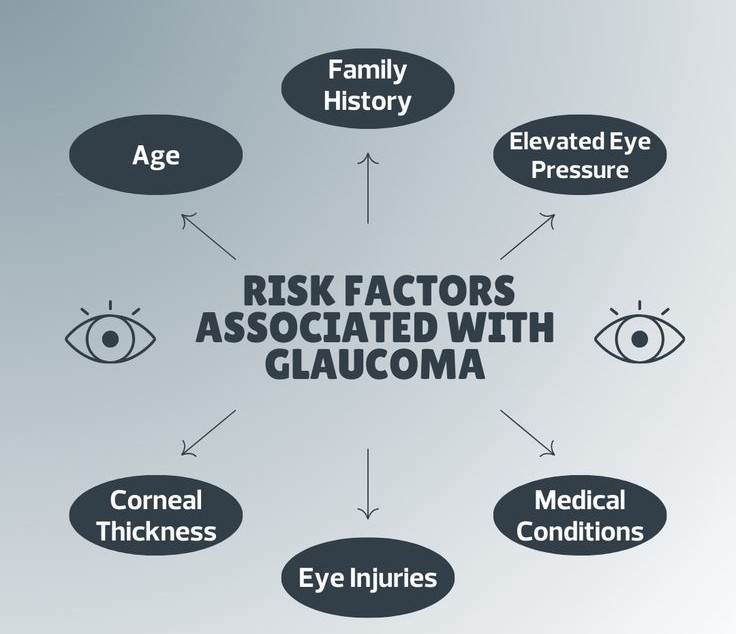
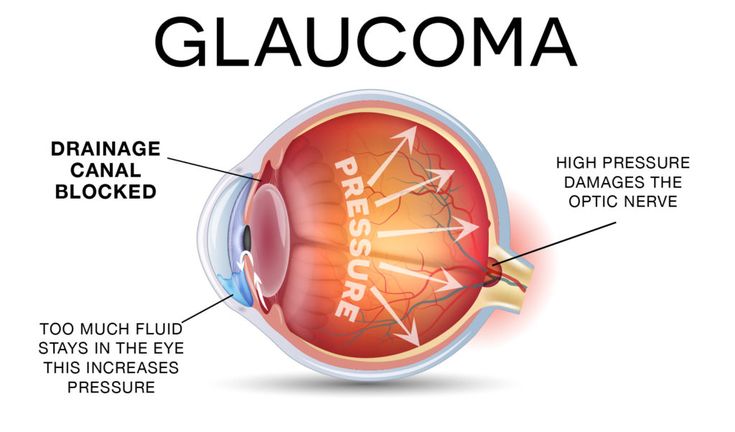
  • Glaucoma: A massive study of over 400,000 people revealed that unhealthy sleep patterns increase the risk of glaucoma by 13%. This is often due to changes in internal eye pressure that occur when our circadian rhythms are disrupted.
  • The Diabetes Connection: In patients with Diabetic Retinopathy, poor sleep quality is staggering – found in 72% of affected individuals compared to just 28% in healthy controls. Sleep is the "regulator" for your blood sugar and vascular health; without it, the tiny blood vessels in your eyes pay the price.
  • Macular Degeneration (AMD): Your brain has a "waste clearance system," and your eyes have something similar. Deep sleep helps flush out toxins that can lead to AMD, the leading cause of vision loss as we age.


The Metroeyes "Better Sight" Routine

You don’t need a pharmacy to start improving your vision tonight. Try these four steps:

  1. The 7-Hour Standard: Aim for a consistent window. Your eyes don't just need rest; they need rhythm.
  2. Hydrate Your Vision: Tear production starts with what you drink. A glass of water before bed (and first thing in the morning) acts as an internal moisturizer.
  3. The 20-20-20 Reset: During your workday, every 20 minutes, look at something 20 feet away for 20 seconds. This "stretches" the eye muscles and prevents the mid-day "sleepy eye" slump.
  4. Professional Maintenance: Sometimes, "tired eyes" are a symptom of an underlying issue. A regular check-up ensures that your sleep struggles aren't masking something more serious.

Your vision is your window to the world. Don't let the curtains close prematurely because of a bad night's sleep.

Other Newsletters

You are a few steps away from a clearer future

Contact Us
Or

eye