- 21 July, 2026
SIGNS YOUR CHILD MAY NEED GLASSES
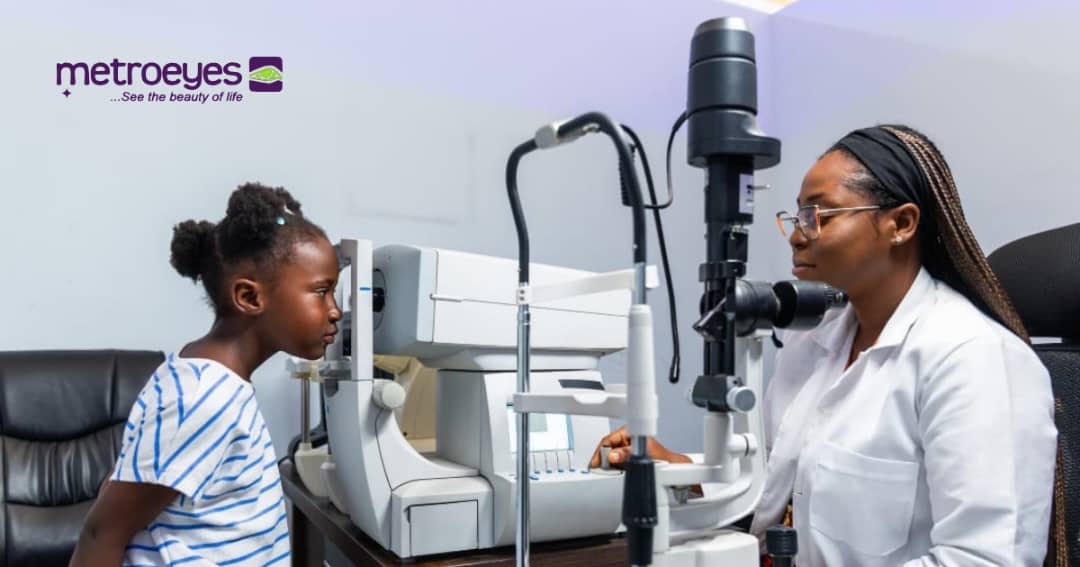
Signs Your Child May Need Glasses
Clear vision is essential for a child's learning, development, and overall well-being. According to the World Health Organization (WHO), millions of children worldwide live with vision impairment, many of which can be corrected with a simple pair of prescription glasses. Research also suggests that approximately one in four school-aged children may have an undetected vision problem that affects their academic performance, confidence, and quality of life.
The challenge is that children rarely complain about poor vision because they often assume everyone sees the way they do. As a parent, caregiver, or teacher, recognizing the early warning signs can make all the difference.
Watch for These Signs
1. Frequent Squinting
If your child often squints while watching television, reading, or looking at distant objects, they may be trying to improve blurry vision.
2. Sitting Too Close to the Television or Holding Devices Very Close
Consistently sitting very close to screens or holding books, tablets, or phones close to the face may be a sign of nearsightedness (myopia).
3. Frequent Headaches
Headaches after reading, studying, or extended screen time may result from eye strain caused by an uncorrected vision problem.
4. Excessive Eye Rubbing
Persistent eye rubbing, especially when not caused by tiredness or allergies, may indicate eye fatigue or difficulty focusing.
5. Difficulty Reading or Declining Academic Performance
A child who skips words, loses their place while reading, struggles with schoolwork, or suddenly performs poorly in class may be experiencing vision problems. Since up to 80% of classroom learning is visual, healthy eyesight is essential for academic success.
6. Covering One Eye or Tilting the Head
These habits may indicate unequal vision between the eyes or problems with eye alignment and should be professionally assessed.
7. Frequent Blinking
Excessive blinking while reading or focusing on distant objects may be a sign of eye strain or blurred vision.
8. Losing Interest in Reading or Close-Up Activities
If your child suddenly avoids reading, colouring, homework, or other close-up tasks they once enjoyed, vision discomfort could be the cause.
9. Poor Hand-Eye Coordination
Frequent tripping, clumsiness, difficulty catching a ball, or poor performance in sports may sometimes be linked to vision problems.
10. Sensitivity to Light
Unusual discomfort in bright light may indicate an underlying eye condition that requires professional evaluation.
11. One Eye Turning Inward or Outward
If one eye occasionally or consistently drifts inward or outward, it may indicate an eye alignment condition such as strabismus. Early diagnosis and treatment are important to prevent long-term vision complications.
Early Detection Makes a Difference
Many childhood vision conditions can be effectively managed when detected early. Regular comprehensive eye examinations help identify problems before they begin to affect learning, confidence, and everyday activities.
If you notice any of these signs, don't wait. Schedule a comprehensive eye examination with a qualified eye care professional. Early intervention can make a lasting difference in your child's vision and future success.
You are a few steps away from a clearer future